Car Insurance for Electric Vehicles: 2026 Cost Guide
Car insurance for electric vehicles costs 15-25% more than gas cars. Learn why EV insurance is pricier, which insurers are EV-friendly, and how to save.
Updated: June 2, 2026
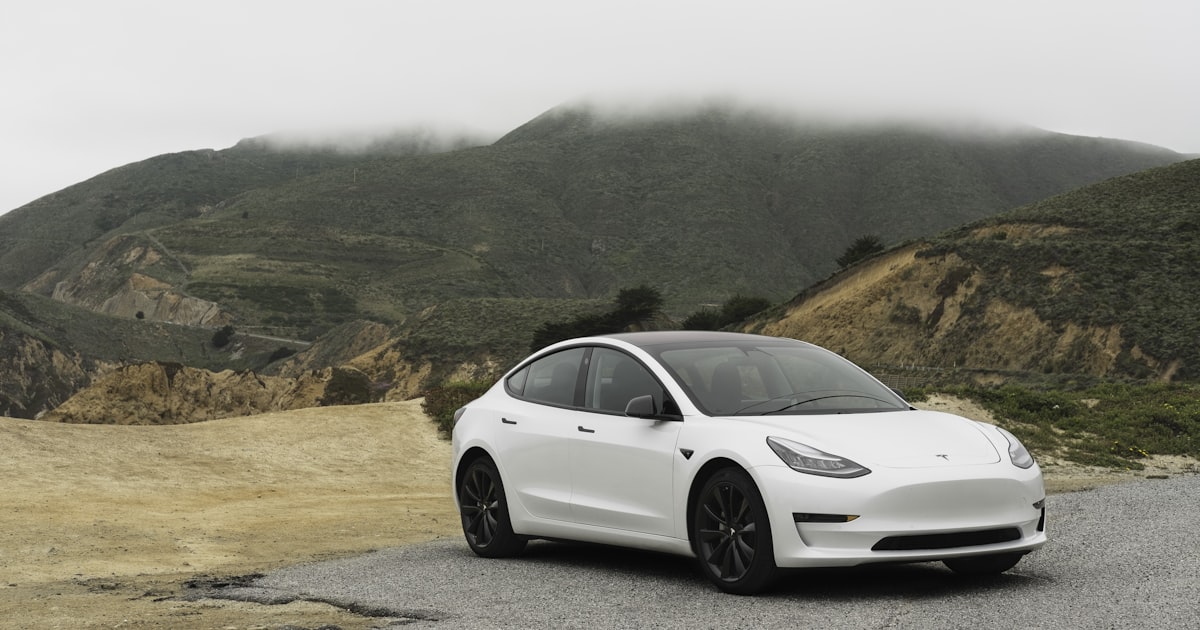
Electric vehicles are cheaper to fuel but often pricier to insure than gas cars. Here is what drives EV insurance costs in 2026 and how to keep your premium under control.
Quick Answer
Car insurance for electric vehicles typically costs 15-25% more than coverage for a comparable gas-powered car. The main reasons are expensive battery packs, specialized repair labor and parts, and higher overall replacement values. You can offset much of that gap with green or alternative-fuel discounts, manufacturer insurance programs, telematics, and by comparing quotes from at least three EV-friendly insurers.
Why EVs Cost More to Insure
EV premiums run higher for a few concrete reasons rooted in repair and replacement economics:
- Battery cost. The battery is the most expensive component in an EV, frequently running into the thousands of dollars. Even moderate damage can push a vehicle toward a total loss.
- Specialized repairs. EVs require certified technicians and EV-specific parts, so labor rates and repair times are higher than for conventional cars.
- Higher sticker prices. Many popular EVs carry above-average purchase prices, which raises the cost an insurer must pay on a total-loss claim.
- Advanced technology. Sensors, cameras, and driver-assistance hardware are pricey to recalibrate after a collision.
According to the Insurance Information Institute, repair complexity and parts cost are leading factors behind premium differences between vehicle types.
Typical Cost Differences
The table below shows realistic full-coverage premium ranges. Actual rates depend on your state, driving record, and credit profile.
| Vehicle Type | Typical Annual Full-Coverage Premium | Notes | |---|---|---| | Compact gas sedan | $1,600 - $2,100 | Baseline reference | | Comparable compact EV | $1,900 - $2,600 | Roughly 15-25% higher | | Mid-size gas SUV | $1,800 - $2,400 | Baseline reference | | Comparable electric SUV | $2,200 - $3,000 | Battery and tech premium | | Premium electric sedan | $2,600 - $4,000+ | High replacement value |
These ranges are illustrative; your quote may fall outside them. For a deeper comparison of coverage levels, see our guide on full coverage vs liability.
EV-Friendly Insurers and Manufacturer Programs
Most major national carriers insure electric vehicles, but some are more competitive on EV pricing and offer dedicated incentives. When shopping, look for:
- Green or alternative-fuel discounts. Several insurers shave roughly 5-10% off premiums for hybrid and electric vehicles.
- Manufacturer insurance programs. Some automakers offer their own coverage, often using real-time driving data to set rates. These programs can be competitive for safe drivers, though availability varies by state.
- Telematics and usage-based programs. Because many EV owners drive predictable commutes, usage-based discounts can deliver meaningful savings.
Always compare a manufacturer program against traditional carriers. For a broader look at affordable options, review our roundup of the best cheap car insurance.
How to Lower Your EV Premium
You have more control over an EV premium than many drivers realize. Practical steps include:
- Compare at least three quotes. Rates for the same EV can vary by hundreds of dollars between insurers.
- Ask for the EV or alternative-fuel discount by name; it is not always applied automatically.
- Bundle auto with home or renters insurance for a multi-policy discount, often 10-25%.
- Raise your deductible if you have an emergency fund. Moving from a $500 to a $1,000 deductible can reduce premiums noticeably.
- Enroll in telematics if you are a low-mileage or careful driver.
- Maintain strong credit where state law permits its use in pricing.
For a full checklist of savings tactics, see our guide on how to lower car insurance.
Frequently Asked Questions
Is car insurance more expensive for electric vehicles? Yes. EVs typically cost about 15-25% more to insure than comparable gas-powered cars. The higher price reflects expensive batteries, specialized repair networks, and higher vehicle replacement costs.
Are there discounts for insuring an electric car? Many insurers offer green, EV, or alternative-fuel discounts that can trim 5-10% off your premium. You can also stack these with safe-driver, bundling, and telematics discounts.
Does the battery affect my EV insurance cost? Significantly. The battery is usually the single most expensive component, often costing thousands to replace, which raises both repair and total-loss claim costs and your premium.
Sources: Insurance Information Institute (III.org), NAIC
Recommended
The Zebra
Compare Car Insurance from 100+ Companies
- ✓Compare real quotes from 100+ insurers in one place
- ✓Drivers save an average of $440/year
- ✓See prices without endless sales calls
Affiliate link — we may earn a commission at no extra cost to you.
Related Articles
Best Car Insurance Companies 2026: Top Picks for Every Driver
We ranked the best car insurance companies of 2026 by rates, claims satisfaction, financial strength, and coverage options. Here's who tops the list and why.
Best Car Insurance for Seniors 2026: Top Companies and Discounts
Drivers over 65 often pay more than they should for car insurance. Here's which companies offer the best rates and discounts for senior drivers — and how to avoid the traps.
Best Cheap Car Insurance 2026: Top Companies Compared
Find the cheapest car insurance rates in 2026 without sacrificing coverage. We compare rates, discounts, and claims satisfaction for the top budget-friendly insurers.