Car Insurance for Leased Cars: 2026 Coverage Guide
Car insurance for leased cars requires full coverage, higher liability limits, and gap protection. Learn what your leasing company demands and why in 2026.
Updated: June 2, 2026
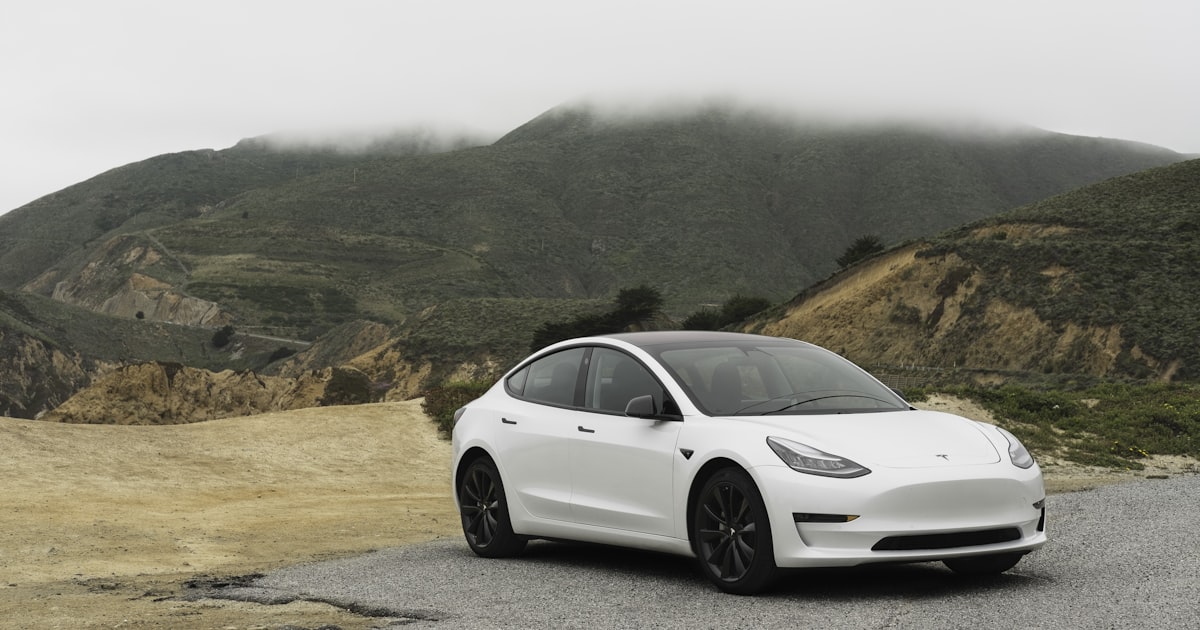
Leasing a car comes with insurance rules that are stricter than buying or financing. Because the leasing company technically owns the vehicle, it sets the coverage terms you must meet before you drive off the lot.
Quick Answer
A leased car almost always requires full coverage (comprehensive plus collision), often with higher liability limits such as 100/300/50, and a deductible capped at $500 to $1,000. Many leases also require gap insurance, which covers the difference between what you owe and the car's value if it is totaled. You must also name the leasing company as a loss payee or additional insured on the policy.
What Coverage Your Leasing Company Requires
When you lease, the lessor wants its asset fully protected. That means you cannot drop to bare-minimum liability the way an outright owner sometimes can. Understanding the difference between full coverage vs liability helps explain why a lease costs more to insure.
Typical lease insurance requirements include:
- Comprehensive coverage for theft, vandalism, fire, hail, and falling objects
- Collision coverage for damage to the leased car regardless of fault
- Higher liability limits, commonly 100/300/50, well above many state minimums
- A deductible cap, usually $500 to $1,000, so you cannot choose a high deductible
- Loss payee status for the leasing company, ensuring it is paid first on claims
| Requirement | Typical State Minimum | Common Lease Requirement | | --- | --- | --- | | Bodily injury per person | $25,000 | $100,000 | | Bodily injury per accident | $50,000 | $300,000 | | Property damage | $25,000 | $50,000 | | Comprehensive and collision | Optional | Required | | Deductible | Your choice | Capped at $500 to $1,000 |
According to the Insurance Information Institute, these elevated limits exist because the lessor carries financial risk for the entire term.
Why Gap Insurance Matters So Much on a Lease
Gap insurance is one of the most important protections for a leased vehicle. New cars depreciate quickly, and during the early months of a lease you can owe more than the car is worth. If the car is totaled or stolen, your insurer pays only the actual cash value, leaving a "gap" you would otherwise owe out of pocket.
For a full breakdown of how this protection works, see our guide to what is gap insurance.
Here is how the gap can appear after a total loss:
| Item | Example Amount | | --- | --- | | Remaining lease balance | $28,000 | | Insurer payout (actual cash value) | $23,000 | | Gap you would owe without coverage | $5,000 |
Many leases require gap coverage, and some bundle it into the monthly payment. Buying gap through your auto insurer typically adds only a small amount per year, while dealership gap products are often a larger one-time charge. Always confirm whether gap is already included before paying twice.
Cost Difference Versus a Financed Car
Because leases mandate full coverage and higher limits, premiums usually run higher than for an owner carrying liability only. The added cost mostly comes from the comprehensive and collision requirement plus the larger liability limits.
Realistic factors that raise a leased car's premium include:
- Mandatory comprehensive and collision, which can add a meaningful share to your bill
- Higher liability limits like 100/300/50 instead of state minimums
- Low deductibles, since a $500 cap costs more than a $1,000 or $2,500 deductible
- Newer vehicle value, as recent models cost more to repair and replace
The exact difference varies by driver, location, and vehicle, so the NAIC recommends comparing several quotes. To keep costs reasonable, review our list of best cheap car insurance options while still meeting every lease requirement.
What to Verify Before You Sign
Before signing the lease, read the insurance section carefully and confirm each detail with your agent. A short checklist prevents surprises:
- Confirm the required liability limits and whether they exceed your current policy
- Check the deductible cap so your collision and comprehensive deductibles comply
- Ask whether gap coverage is included in the lease or must be added separately
- Add the leasing company as loss payee or additional interest on your policy
- Request proof of insurance the dealer can verify before you take delivery
Naming the lessor as a loss payee is not optional. It tells your insurer to include the leasing company on claim payments and notify it of any cancellation or lapse. Skipping this step can put you in default of the lease.
Frequently Asked Questions
Does a leased car need full coverage? Yes. Leasing companies require comprehensive and collision coverage for the entire lease term, since they own the vehicle and want it protected against damage, theft, and total loss.
Is gap insurance required on a lease? Many leases require gap coverage, and some build it into the lease payment. Gap insurance pays the difference between what you owe and the car's actual cash value if it is totaled.
What liability limits do leasing companies require? Many lessors require 100/300/50 limits, meaning $100,000 per person and $300,000 per accident for injuries plus $50,000 for property damage, which is higher than most state minimums.
Sources: Insurance Information Institute (III.org), NAIC
Recommended
The Zebra
Compare Car Insurance from 100+ Companies
- ✓Compare real quotes from 100+ insurers in one place
- ✓Drivers save an average of $440/year
- ✓See prices without endless sales calls
Affiliate link — we may earn a commission at no extra cost to you.
Related Articles
Best Car Insurance Companies 2026: Top Picks for Every Driver
We ranked the best car insurance companies of 2026 by rates, claims satisfaction, financial strength, and coverage options. Here's who tops the list and why.
Best Car Insurance for Seniors 2026: Top Companies and Discounts
Drivers over 65 often pay more than they should for car insurance. Here's which companies offer the best rates and discounts for senior drivers — and how to avoid the traps.
Best Cheap Car Insurance 2026: Top Companies Compared
Find the cheapest car insurance rates in 2026 without sacrificing coverage. We compare rates, discounts, and claims satisfaction for the top budget-friendly insurers.