Does Homeowners Insurance Cover Roof Replacement? (2026)
Does homeowners insurance cover roof replacement? It depends on the cause and your roof's age. Learn what's covered, RCV vs ACV payouts, and how to file a claim.
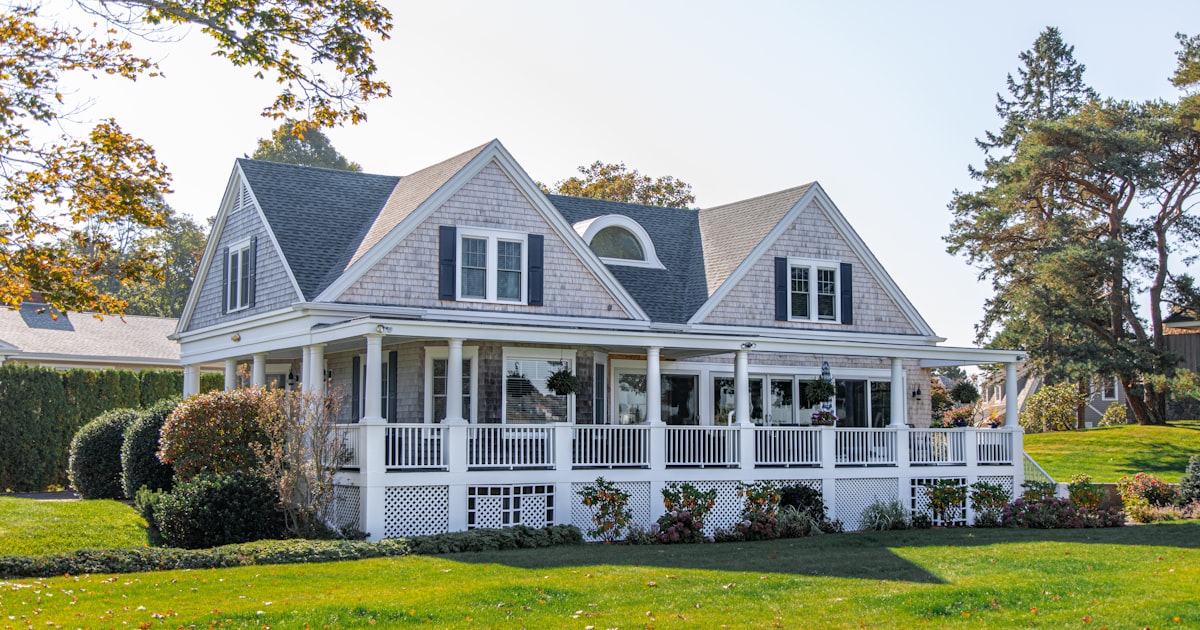
Roof replacement can cost thousands of dollars, so it is no surprise that homeowners want to know whether their policy will help. The short answer: it depends on what caused the damage and how old your roof is.
Quick Answer
Homeowners insurance generally covers roof replacement when damage is caused by a sudden, covered peril such as a windstorm, hail, a fallen tree, or fire. It does not cover wear and tear, age-related deterioration, or neglected maintenance. Your payout depends on whether your policy pays Replacement Cost Value (RCV) or Actual Cash Value (ACV), and you will owe your deductible before coverage kicks in.
What Roof Damage Is Covered (and What Isn't)
Standard HO-3 policies cover roof damage from "covered perils." The cause of the damage is what matters most. For a full breakdown of named perils, see what does home insurance cover.
| Cause of Damage | Typically Covered? |
|---|---|
| Windstorm or tornado | Yes |
| Hail | Yes (may carry a special deductible) |
| Fallen tree or limb | Yes |
| Fire or lightning | Yes |
| Weight of ice or snow | Often yes |
| Normal wear and tear | No |
| Age-related deterioration | No |
| Lack of maintenance | No |
| Manufacturer or installation defects | No |
The big takeaway: insurance is designed for sudden, accidental events, not for a roof that has simply reached the end of its useful life. As the Insurance Information Institute explains, insurers expect you to maintain and eventually replace your roof, and once a roof passes roughly 20 years many carriers will only cover it at actual cash value or require an inspection.
RCV vs ACV: How Your Roof's Age Affects the Payout
This distinction often surprises homeowners. Two policies can cover the same storm but pay very different amounts.
- Replacement Cost Value (RCV): Pays what it costs to replace your roof with new materials of similar quality, with no deduction for age. This is the more generous option.
- Actual Cash Value (ACV): Pays the depreciated value, subtracting for the roof's age and condition. A 20-year-old roof may be worth a fraction of its replacement cost. (See the III's overview of how the settlement amount is determined.)
Many insurers now apply a roof-age schedule. Roofs younger than roughly 10 years often qualify for RCV, while older roofs are automatically settled on ACV. Some carriers cap reimbursement or refuse new policies on roofs greater than 20 years old, which can affect insurability.
| Roof Age | Likely Settlement Basis | Practical Impact |
|---|---|---|
| 0 to 10 years | Replacement Cost Value | Full replacement minus deductible |
| 11 to 15 years | RCV or ACV (varies by carrier) | Possible depreciation applied |
| 16 to 20 years | Often ACV | Significant depreciation likely |
| Greater than 20 years | ACV or excluded | May be hard to insure at all |
Deductibles, Including Special Wind and Hail Deductibles
You pay your deductible before the insurer pays anything. With roof claims, watch for two types:
- Standard deductible: A flat amount, often 500 to 2,500 dollars, that applies to most claims.
- Wind/hail deductible: A separate, usually percentage-based deductible of about 1 to 5 percent of your dwelling coverage, common in storm-prone and hail-belt states.
For example, on a home insured for 300,000 dollars with a 2 percent wind/hail deductible, you would pay 6,000 dollars out of pocket before coverage begins. That is far more than a typical flat deductible. Learn how deductibles work in our guide to your home insurance deductible.
The Claims Process and Tips to Get Approved
Filing correctly improves your odds of a fair settlement. A typical process looks like this:
- Document the damage with dated photos and video, both close-up and wide shots.
- Get a professional inspection from a licensed, reputable roofer before signing anything.
- File promptly because most policies require timely notice, and delays can lead to denials.
- Meet the adjuster during their visit and share your roofer's report.
- Review the estimate and dispute it if the scope seems incomplete.
To strengthen your claim:
- Keep maintenance records and any prior inspection reports.
- Avoid permanent repairs until the adjuster has seen the damage, but make temporary fixes to prevent further loss.
- Be cautious with door-to-door contractors who pressure you after a storm.
- Compare repair costs to your deductible; small claims may not be worth filing.
If your current carrier is restrictive on roof age, shopping around helps. See our roundup of the best homeowners insurance companies for roof-friendly options.
Frequently Asked Questions
Does homeowners insurance cover a roof replacement for an old roof? Often only partially. Many insurers pay actual cash value on roofs older than 10 to 20 years, reimbursing the depreciated value rather than full replacement cost. Wear and tear is never covered.
Will my premium go up if I file a roof claim? It can. A single weather-related claim may have a modest impact, but multiple claims in a few years can raise your premium or affect renewal. Compare the repair cost to your deductible first.
What is a wind or hail deductible? It is a separate, often percentage-based deductible (commonly 1 to 5 percent of your dwelling coverage) that applies specifically to wind or hail roof damage instead of your flat dollar deductible.
Sources & further reading
- How Your Roof Influences Your Home and Business Insurance — Insurance Information Institute
- How is the settlement amount determined? — Insurance Information Institute
- Understanding your insurance deductibles — Insurance Information Institute
This article is general information, not personalized insurance advice. Coverage terms vary by policy and state — read your own policy and confirm details with your insurer.
Related Articles
Does Homeowners Insurance Cover Mold? (2026)
Mold is covered only when it results from a sudden, covered problem like a burst pipe — not from neglect or flooding. Here's how to make sure you're protected.
Does Renters Insurance Cover Water Damage? (2026)
Renters insurance covers sudden water damage like a burst pipe or an overflow from the unit above — but not floods or slow leaks. Here's the full breakdown.
Personal Liability Coverage in Homeowners Insurance (2026)
Personal liability protects you if someone is injured on your property or you damage someone else's — covering legal costs and settlements. Here's how it works.