Dwelling Coverage Explained: What It Is and How Much You Need
Dwelling coverage is the heart of your homeowners policy — it pays to rebuild your home if it's destroyed. Here's exactly how it works, what it covers, and how to set the right amount.
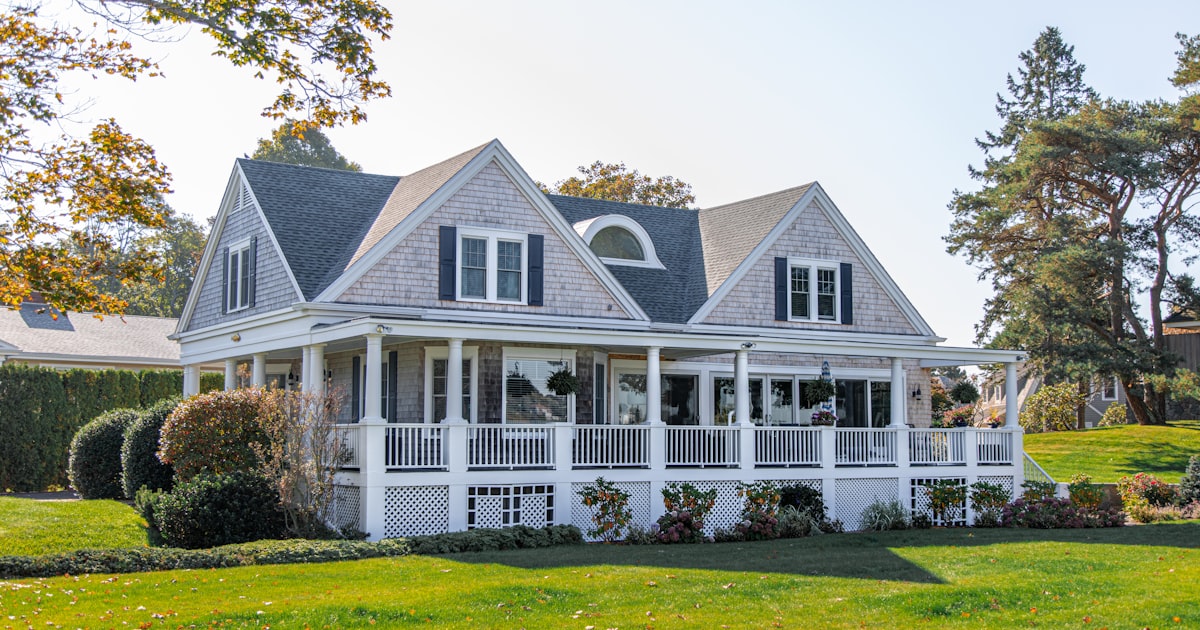
Dwelling coverage is Coverage A in your homeowners policy — the most important protection you have. If your home is destroyed by fire, a tornado, or another covered event, dwelling coverage pays to rebuild it. Getting the amount right is crucial: too little and you're personally responsible for the gap; too much and you're overpaying for coverage you'll never use.
Quick Answer
Dwelling coverage pays to rebuild your home. Set it equal to your home's replacement cost — what it would cost to rebuild today, NOT the market value. The biggest mistake homeowners make: insuring for market value instead of rebuild cost. These numbers can differ by $50,000–$200,000. Use an insurer calculator or local contractor estimate to get the right number.
What dwelling coverage pays for
Dwelling coverage protects your home's physical structure from covered perils. Coverage A includes:
- Walls, roof, floors, and foundation
- Built-in appliances (dishwasher, built-in oven)
- Attached garage and carport
- Electrical, plumbing, and HVAC systems
- Permanently installed fixtures (cabinets, countertops, flooring)
- Decks and porches attached to the house
What's NOT covered by dwelling (Coverage A):
- Detached garage, shed, fence (covered under Coverage B — other structures)
- Personal belongings like furniture and electronics (Coverage C)
- The land your home sits on (land has value but can't be destroyed)
- Flooding (separate flood insurance required)
- Earthquakes (separate earthquake coverage required)
Replacement cost vs. market value: the crucial difference
Market value = what a buyer would pay for your home, including land, neighborhood desirability, and market conditions
Replacement cost = what it costs to rebuild the structure from scratch with similar materials and current labor rates. The Insurance Information Institute advises basing your dwelling limit on the cost to rebuild — materials, labor, and code upgrades — rather than the purchase price or market value, since the land itself is not at risk from perils like fire or wind.
These are often dramatically different:
- A modest home in a desirable neighborhood might have a $400,000 market value with only a $200,000 replacement cost (land accounts for much of the value)
- A large custom home in a rural area might have a $250,000 market value but $400,000 replacement cost (construction costs exceed what buyers will pay)
Always insure for replacement cost, not market value.
How to calculate the right dwelling coverage amount
Method 1: Square footage estimate
- Measure or look up your home's square footage
- Multiply by local construction cost per square foot (the III suggests this same quick estimate; the figures below are illustrative and vary widely by market)
2026 construction cost benchmarks by region:
| Region | Cost per sq ft |
|---|---|
| Southeast / Midwest | $120–$160 |
| Mid-Atlantic / Texas | $160–$200 |
| Pacific Northwest / Mountain | $180–$230 |
| California / Northeast | $200–$280 |
| Hawaii / Alaska | $280–$350+ |
Method 2: Use your insurer's cost estimator Most insurers provide a replacement cost calculator that accounts for construction type, year built, features, and local costs. More accurate than the basic square footage method.
Method 3: Get an independent appraisal For high-value, unusual, or older homes, a certified residential appraiser can provide a replacement cost estimate. Costs $200–$400.
Coverage options that supplement dwelling coverage
Extended replacement cost: If construction costs spike after a major disaster (common after hurricanes or tornadoes when demand surges), extended replacement cost pays 20–50% above your coverage limit. Costs $30–$75/year more and is worth having.
Guaranteed replacement cost: Pays to rebuild regardless of cost. Less common, more expensive. Available from fewer insurers.
Ordinance or law coverage: If your home was built before current building codes, repairs may require bringing the entire structure up to code. Ordinance or law coverage pays for that additional cost. Especially important for older homes.
Frequently Asked Questions
What is dwelling coverage in homeowners insurance? Dwelling coverage (Coverage A) is the part of your homeowners policy that pays to repair or rebuild your home's physical structure after a covered loss — fire, wind, hail, lightning, vandalism, and more. It covers the walls, roof, floors, built-in appliances, attached structures, and the foundation. It does not cover the land, personal belongings, or detached structures.
How much dwelling coverage should I have? Your dwelling coverage should equal the replacement cost of your home — the cost to rebuild it from scratch at current construction prices. This is NOT the market value or purchase price. To estimate: multiply your home's square footage by the local construction cost per square foot (typically $150–$250/sq ft in 2026). A 2,000 sq ft home at $175/sq ft needs $350,000 in dwelling coverage.
What is the difference between actual cash value and replacement cost dwelling coverage? Actual cash value (ACV) coverage pays the depreciated value of your home — what it was worth at the time of loss, accounting for age and wear. Replacement cost coverage pays what it costs to rebuild with new materials at today's prices, without deducting for depreciation. Replacement cost coverage pays significantly more in a major claim and is almost always the better choice, though it costs more in premium.
Sources & further reading
- How much homeowners insurance do I need? — Insurance Information Institute
- Understanding your insurance deductibles — Insurance Information Institute
This article is general information, not personalized insurance advice. Coverage terms vary by policy and state — read your own policy and confirm details with your insurer.
Related Articles
Does Homeowners Insurance Cover Mold? (2026)
Mold is covered only when it results from a sudden, covered problem like a burst pipe — not from neglect or flooding. Here's how to make sure you're protected.
Does Renters Insurance Cover Water Damage? (2026)
Renters insurance covers sudden water damage like a burst pipe or an overflow from the unit above — but not floods or slow leaks. Here's the full breakdown.
Personal Liability Coverage in Homeowners Insurance (2026)
Personal liability protects you if someone is injured on your property or you damage someone else's — covering legal costs and settlements. Here's how it works.