Mobile Home Insurance Guide 2026: Costs & Coverage
Mobile home insurance explained for 2026: HO-7 coverage types, typical cost ranges, wind and tie-down rules, and proven ways to lower your premium.
Updated: June 2, 2026
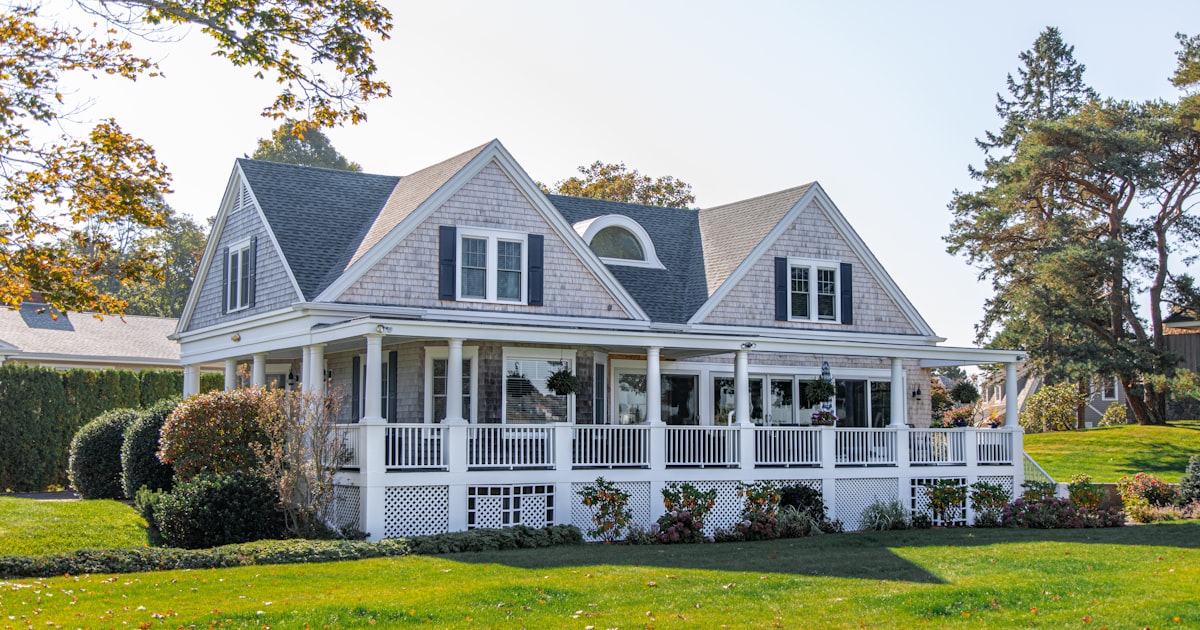
Mobile and manufactured homes are a popular path to affordable homeownership, but they need their own kind of insurance. A standard homeowners policy will not cover them, so understanding mobile home coverage is essential.
Quick Answer
Mobile and manufactured homes require a specialized policy, often called an HO-7, because standard HO-3 homeowners policies exclude them. These policies cover the structure, personal property, liability, and living expenses, and can add transport coverage when the home is moved. According to the Insurance Information Institute, premiums vary widely by location and wind risk but are often lower than site-built home coverage. Flood is always separate and bought through FEMA.
Why Mobile Homes Need a Special Policy
A site-built house is typically insured under an HO-3 policy. Manufactured and mobile homes are built on a steel chassis and meet different federal construction standards, so insurers treat them as a distinct risk. The result is the HO-7 mobile home policy (sometimes labeled simply a mobile home or manufactured home policy).
The biggest practical differences from a standard home policy include:
- Construction-based pricing that reflects the home's vulnerability to wind and tornadoes.
- Trip or transport coverage that protects the home while it is being moved to a new lot.
- Lower dwelling limits in many cases, since manufactured homes generally cost less to replace than site-built houses.
If you are comparing options across home types, our guide to the best homeowners insurance explains how carriers structure their offerings.
What Mobile Home Insurance Covers
Coverage mirrors a traditional policy but is tailored to manufactured housing. Here are the core protections.
| Coverage | What It Protects | Notes | |---|---|---| | Dwelling / structure | The home itself and attached features | Choose replacement cost or actual cash value | | Personal property | Furniture, electronics, clothing | Often 50 to 70 percent of dwelling limit | | Liability | Injury or property damage you cause | Commonly 100,000 to 300,000 dollars | | Additional living expenses | Hotel and meals if displaced | Helps when your home is uninhabitable | | Trip / transport | The home while being relocated | Important if you plan to move the home |
For a deeper breakdown of how these limits work across policies, see what does home insurance cover.
How Much Mobile Home Insurance Costs
Costs vary far more by location than by home type. According to the Insurance Information Institute, premiums climb sharply in regions exposed to hurricanes, tornadoes, and hail. A home in a low-wind inland area may cost noticeably less than the same home along a coast.
Typical factors that move your premium include:
- Geographic wind and tornado risk, which FEMA maps heavily influence.
- Age and condition of the home and its roof.
- Replacement cost versus actual cash value coverage choice.
- Deductible amount, including separate wind or hail deductibles in storm-prone states.
Because mobile homes are often less expensive to rebuild, premiums are frequently lower than for comparable site-built houses, though high-wind zones can erase that gap. Drivers looking to trim costs can also review our cheapest homeowners insurance tips.
Wind, Tie-Downs, and Replacement Cost
Manufactured homes are far more sensitive to high winds than site-built houses, so insurers focus on anchoring. Most carriers require certified tie-downs or anchoring systems, and many require skirting around the base. Meeting these requirements is often the difference between getting approved and being declined.
Pay close attention to your valuation method:
- Replacement cost pays to rebuild or replace without deducting for depreciation. It costs more but pays more after a loss.
- Actual cash value subtracts depreciation, lowering both your premium and your payout. Older homes are sometimes limited to this option.
Tips to Lower Your Premium
You can meaningfully reduce costs while keeping strong protection:
- Install or upgrade to certified tie-downs and anchors rated for your wind zone.
- Add skirting and keep the roof in good repair.
- Improve security with deadbolts, smoke detectors, and a monitored alarm.
- Bundle your mobile home and auto policies with one insurer.
- Raise your deductible if you can cover the higher out-of-pocket amount.
- Maintain a strong credit-based insurance score where state law allows it.
Remember that even a well-anchored home is not protected from rising water. Flood damage requires a separate policy, typically through FEMA's National Flood Insurance Program or a private flood insurer.
Frequently Asked Questions
Does a standard homeowners policy cover a mobile home? No. Standard HO-3 homeowners policies exclude manufactured and mobile homes. You need a specialized mobile home policy, often called an HO-7, to insure the structure, your belongings, and liability.
Is flood damage included in mobile home insurance? No. Like site-built homes, mobile home policies exclude flooding. You must buy separate flood coverage through FEMA's National Flood Insurance Program or a private flood insurer.
How can I lower my mobile home insurance premium? Install certified tie-downs, add skirting, upgrade locks and alarms, raise your deductible, and bundle with auto. Choosing replacement cost over actual cash value raises premiums but improves payouts.
Sources: Insurance Information Institute (III.org), FEMA
Recommended
Lemonade
Renters & Home Insurance, Instantly
- ✓Get covered in 90 seconds, fully online
- ✓Renters insurance starting around $5/month
- ✓AI-powered claims — many paid in minutes
Affiliate link — we may earn a commission at no extra cost to you.
Related Articles
Best Homeowners Insurance Companies 2026: Top Picks Compared
Find the best homeowners insurance for your home in 2026. We compare rates, coverage, claims satisfaction, and discounts from the top-rated companies nationwide.
Cheapest Homeowners Insurance 2026: Best Low-Cost Options
Finding cheap homeowners insurance doesn't mean sacrificing protection. Here are the lowest-cost options by state, the best budget-friendly companies, and how to lower your rate without reducing coverage.
Condo Insurance Guide 2026: What It Covers and What You Need
Condo insurance (HO-6) works differently from homeowners insurance. Your HOA has a master policy — but it doesn't cover everything. Here's what you need and how to fill the gaps.