Umbrella Insurance Explained: Do You Need It in 2026?
Umbrella insurance adds extra liability coverage above your home and auto limits. Learn how umbrella insurance works, who needs it, and how much to buy.
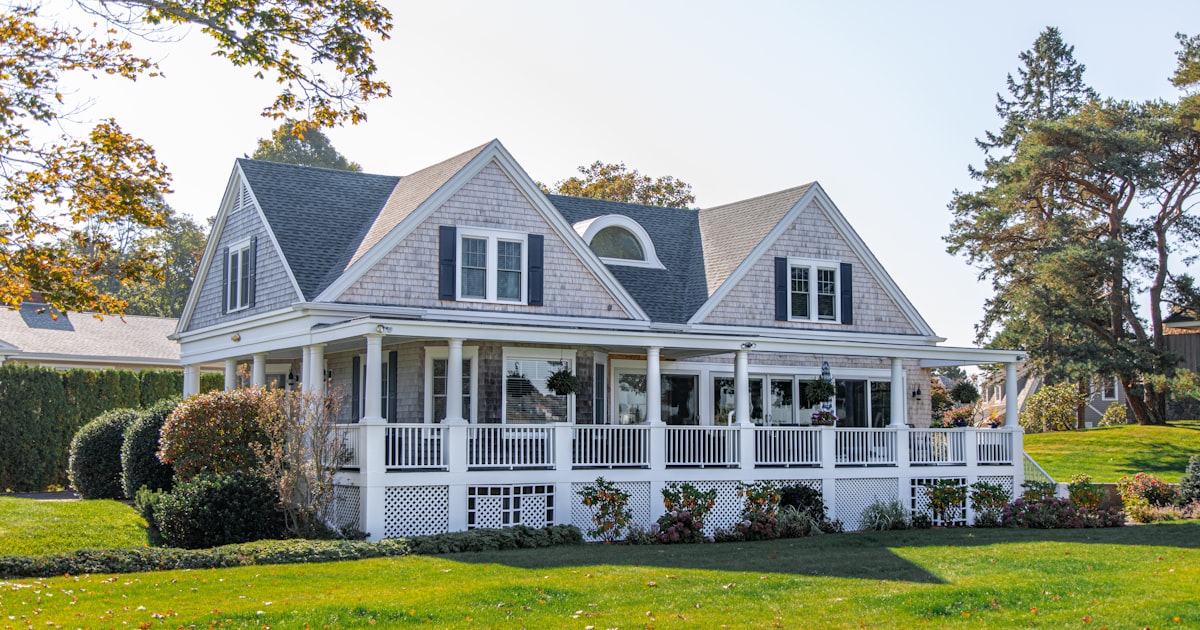
Umbrella insurance is one of the most overlooked yet affordable ways to protect your savings, home, and future income. Here is how it works and whether you need a policy in 2026.
Quick Answer
An umbrella policy provides extra liability coverage above the limits of your home and auto insurance, typically $1 million of coverage for about $150 to $300 per year. If you are sued or found at fault in an accident and the damages exceed your underlying auto or homeowners liability limits, the umbrella pays the difference up to its limit. It is designed to shield your assets, not to cover your own property or injuries.
How Umbrella Insurance Works
Your auto and home policies each include liability coverage, but those limits are often lower than people realize. A serious lawsuit can easily blow past them, and you are personally responsible for anything above your limit. An umbrella policy kicks in once that underlying limit is exhausted.
Here is a concrete example:
- You cause a multi-car accident and a court awards $800,000 in injury claims.
- Your auto policy caps liability at $300,000.
- Without an umbrella, you owe the remaining $500,000 out of pocket, potentially from savings, home equity, or garnished wages.
- With a $1 million umbrella, the policy covers that $500,000 gap.
Umbrella coverage extends beyond car crashes. It can apply to a dog bite, a guest injured at your pool, a slander or libel claim, or an injury on a rental property you own. Because liability is the focus, it pairs naturally with what your base policy already includes. See what does home insurance cover to understand the liability layer your umbrella sits on top of.
Who Actually Needs Umbrella Insurance
Not everyone needs it, but the list of good candidates is longer than most people think. According to the Insurance Information Institute, umbrella policies are increasingly common as jury awards rise. You are a strong candidate if you have:
- Assets to protect, such as savings, investments, or home equity
- A pool, trampoline, or other attractive nuisance on your property
- A dog, especially a breed insurers consider higher risk
- Teen drivers, who statistically raise accident and lawsuit risk
- Rental property or a side landlord business
- High net worth or visible income that makes you a lawsuit target
A useful rule of thumb is that anyone with more to lose than their auto or home liability limit should consider an umbrella.
How Much Umbrella Coverage to Buy
The standard guideline is to buy enough coverage to protect your net worth, including assets a court could pursue and a reasonable estimate of future income. Lawsuits target what you have and what you may earn.
| Net Worth Estimate | Suggested Umbrella Limit | Typical Annual Cost |
|---|---|---|
| Under $500,000 | $1 million | $150 to $300 |
| $500,000 to $1 million | $1 to $2 million | $200 to $400 |
| $1 million to $2 million | $2 to $3 million | $300 to $500 |
| Over $2 million | $3 million or more | $400 to $700+ |
Cost rises slowly compared to coverage. Jumping from $1 million to $2 million often adds only about $75 to $100 per year, which is why advisors frequently suggest erring high.
Underlying Limit Requirements
Umbrella insurance does not replace your base policies. It sits on top of them, so insurers require you to carry minimum underlying liability limits first. The Insurance Information Institute notes that most insurers want at least $250,000 of auto liability and $300,000 of homeowners liability before selling a $1 million umbrella, which typically runs about $200 to $350 per year. Common requirements include:
- $250,000 to $300,000 in auto bodily injury per person
- $500,000 in auto bodily injury per accident
- $300,000 in homeowners or renters liability
If you do not meet these thresholds, you may need to raise your base limits before adding the umbrella. This is a good moment to review your foundation. Use our guide on how much home insurance you need, and compare carriers among the best homeowners insurance companies so your underlying coverage is solid before layering on an umbrella.
Frequently Asked Questions
How much does umbrella insurance cost?
A $1 million umbrella policy typically costs about $150 to $300 per year. Each additional $1 million usually adds roughly $75 to $100 annually, making higher limits very affordable.
Do I need umbrella insurance if I rent?
You can. Umbrella coverage sits above your renters or auto liability, not just homeowners. Renters with savings, a car, or a teen driver may still benefit from the extra protection.
What does umbrella insurance not cover?
It does not cover your own injuries, property, or business liabilities. It also excludes intentional acts and most professional malpractice, which need separate policies.
Sources & further reading
- Insurance Information Institute — Should I purchase an umbrella liability policy?
- Insurance Information Institute — What is an umbrella liability policy?
This article is general information, not personalized insurance advice. Coverage terms vary by policy and state — read your own policy and confirm details with your insurer.
Related Articles
Does Homeowners Insurance Cover Mold? (2026)
Mold is covered only when it results from a sudden, covered problem like a burst pipe — not from neglect or flooding. Here's how to make sure you're protected.
Does Renters Insurance Cover Water Damage? (2026)
Renters insurance covers sudden water damage like a burst pipe or an overflow from the unit above — but not floods or slow leaks. Here's the full breakdown.
Personal Liability Coverage in Homeowners Insurance (2026)
Personal liability protects you if someone is injured on your property or you damage someone else's — covering legal costs and settlements. Here's how it works.